

Workplace safety has become a top priority in today’s globalized, fast-paced industrial landscape. With increasing awareness about the importance of health regulations and safety protocols, businesses across various sectors are investing more in protective measures to safeguard their employees. One such critical safety product that’s gaining increasing attention is the eye wash station.
Why Eye Wash Stations Matter
Eye wash stations serve a vital role in emergency situations where hazardous chemicals or substances come into contact with the eyes. According to the Occupational Safety and Health Administration (OSHA), 2.5 million eye injuries occur annually in the United States alone, causing significant health issues and productivity losses. These injuries can happen in any industry where chemicals, foreign particles, or irritants are present. The potential for eye injuries makes it imperative for businesses to ensure that they are equipped with proper safety mechanisms, with eye wash stations being among the most effective.
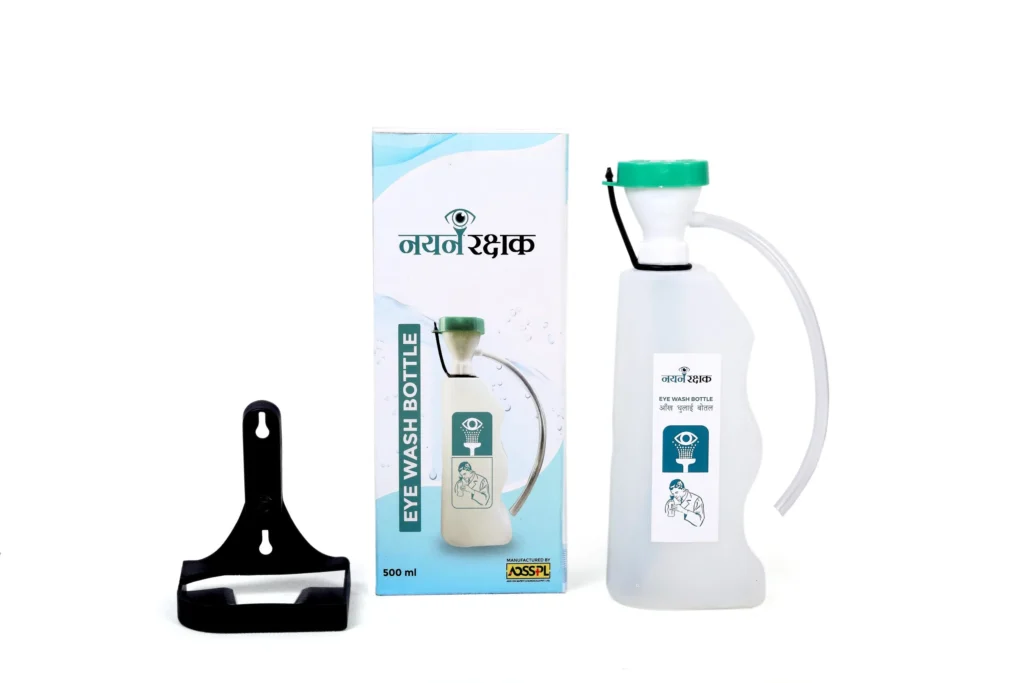
An eye wash station provides an immediate decontamination response, helping to reduce the severity of injuries by flushing harmful chemicals or particles from the eyes. This quick action can prevent long-term damage to the eyes, reduce the risk of blindness, and even save lives in extreme cases.
Eye Wash Stations Market: Growth and Demand
As workplace safety regulations tighten and industries become more proactive in adopting safety measures, the demand for eye wash stations continues to grow. The Global Eye Wash Station Market was valued at approximately $300 million in 2022, with a steady projected growth rate of 6% CAGR over the next five years. This growth is largely driven by the expansion of manufacturing activities, particularly in high-risk industries such as construction, pharmaceuticals, and laboratories. These sectors require strict compliance with safety standards due to the elevated risk of chemical exposure, creating a significant demand for reliable eye wash stations.
The global increase in workplace safety awareness, backed by stringent regulations and the recognition of the economic value of preventing workplace injuries, is another key driver of market expansion. Employers are increasingly prioritizing the well-being of their workers, not only because it’s the right thing to do but because it makes good business sense in terms of reducing costly accidents and absenteeism.
Applications Across Industries
Eye wash stations are not confined to any one industry; their applications span a wide range of sectors:
- Healthcare: In medical settings, especially during surgical procedures or when handling hazardous chemicals and medications, eye wash stations are critical for protecting both staff and patients.
- Manufacturing & Construction: These industries involve regular exposure to hazardous chemicals, dust, or debris. Eye wash stations are an essential component of safety protocols, ensuring that employees can respond immediately if their eyes are exposed to harmful substances.
- Education: Schools, particularly those with laboratories or workshops, are increasingly installing eye wash stations to protect students and staff from potential chemical spills or accidents in these high-risk environments.
- Research and Laboratories: Research facilities, where chemicals and potentially dangerous substances are often handled, need eye wash stations to comply with safety regulations and ensure immediate access to decontamination in case of accidental exposure.
Eye wash stations are no longer just an optional safety measure; they have become a critical component of workplace safety protocols. From healthcare to construction, industries around the world are recognizing the importance of these life-saving systems. With an increasing focus on workplace safety, regulatory compliance, and the growing emphasis on employee well-being, the market for eye wash stations is poised for sustained growth. As businesses continue to prioritize safety, these essential devices will remain a cornerstone of workplace health and emergency response strategies.
Investing in reliable and compliant eye wash stations is not just a regulatory requirement—it’s a proactive measure to protect workers, reduce accidents, and foster a culture of safety in the workplace.