

No one plans for workplace accidents, but how an injured person is treated in the first few minutes can change their life. Whether it’s a fall at a construction site, a machinery injury in a factory, or a medical emergency in an office, quick and proper response saves lives.
One of the most important yet often underestimated tools in workplace emergency care is the stretcher. Stretchers are not just for hospitals they are critical safety equipment that helps protect injured workers and improves survival rates during accidents.
The Importance of the First Few Minutes
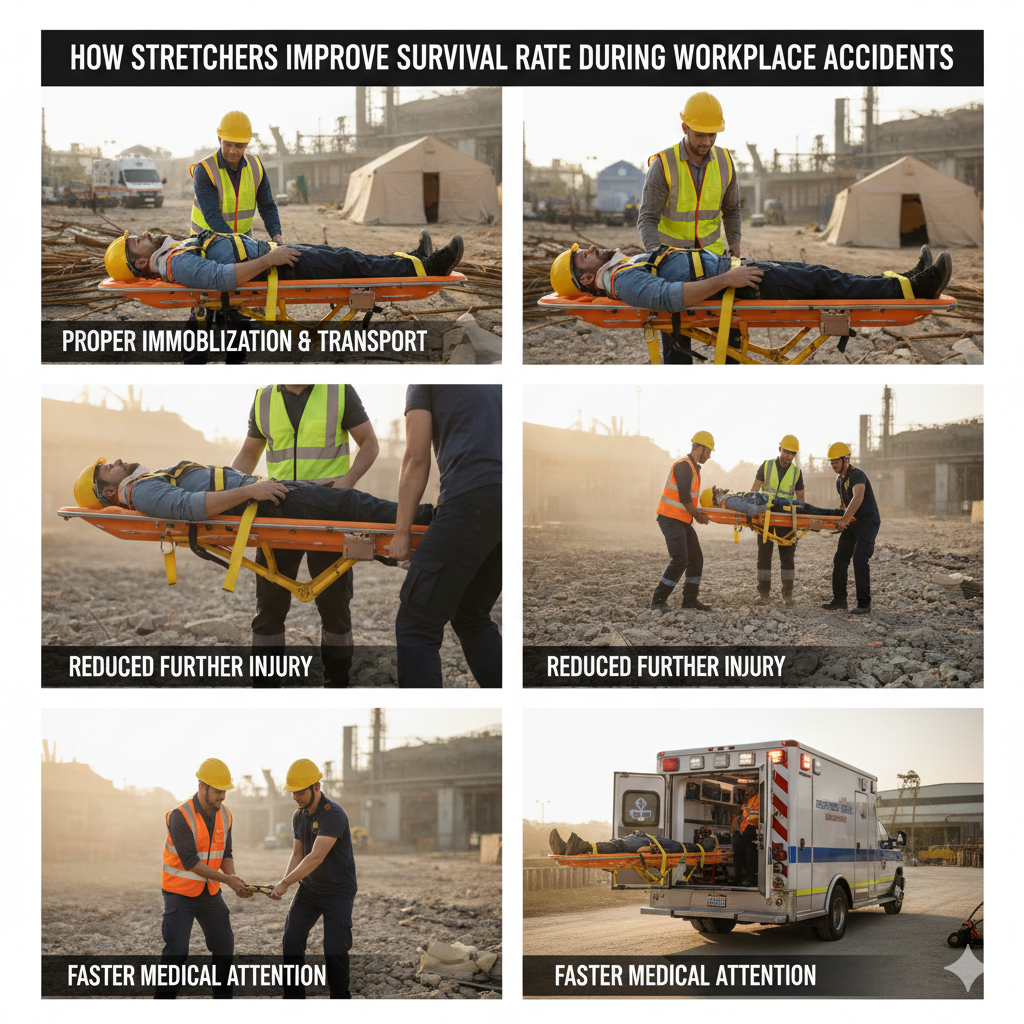
After a workplace accident, panic and confusion are common. In many cases, people try to help by lifting or moving the injured person without proper support. While well-intentioned, this can actually make injuries worse especially in cases involving the spine, head, or internal bleeding.
This is where stretchers play a crucial role. They allow injured workers to be moved safely, calmly, and correctly, reducing the risk of further harm.
How Stretchers Help Save Lives
1. Safe and Controlled Movement
Stretchers are designed to support the entire body evenly. This prevents sudden movements that can increase pain or worsen injuries. When a person is placed on a stretcher, their body remains stable and aligned, which is essential in serious accidents.
Safe movement means:
- Less stress on injured areas
- Lower risk of complications
- Better chances of survival until medical help arrives
2. Preventing Secondary Injuries
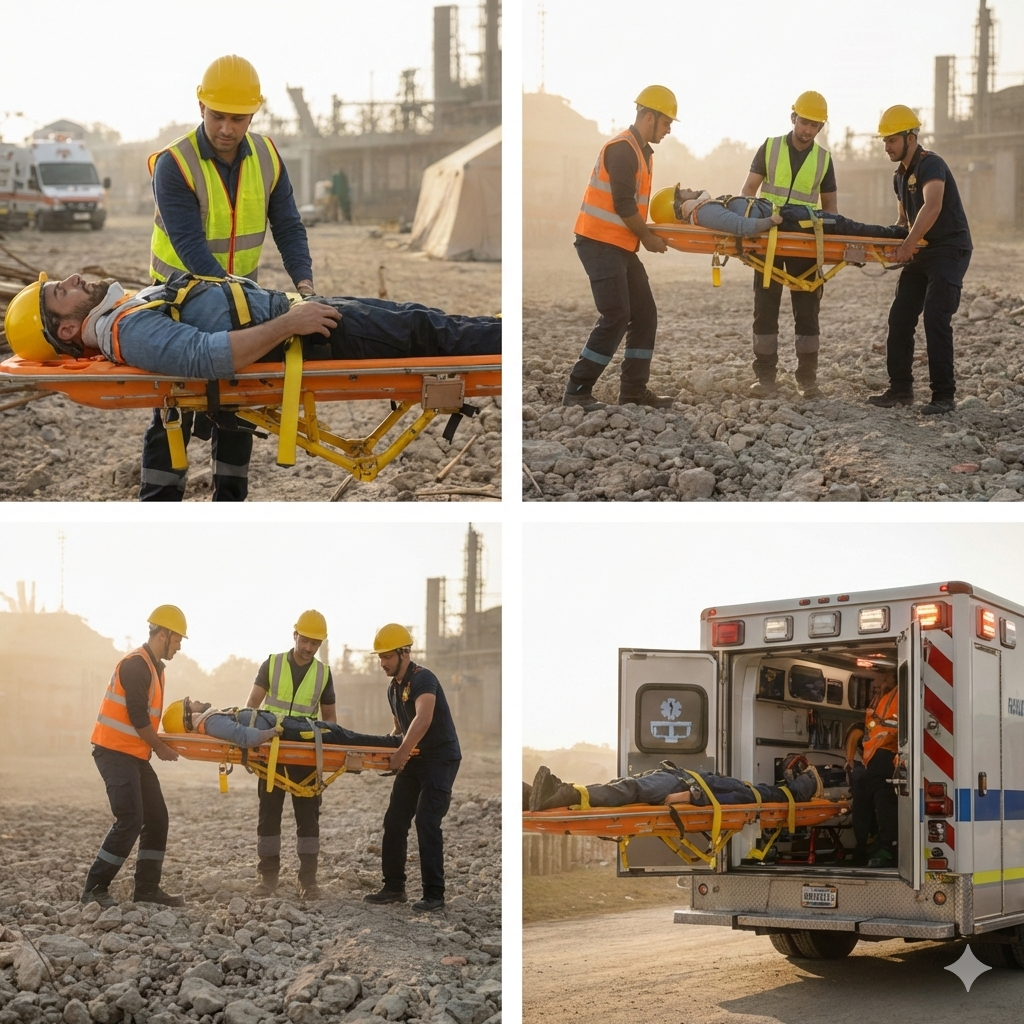
Many severe injuries don’t come from the accident itselfbut from incorrect handling afterward. Lifting someone without proper support can lead to spinal damage, increased bleeding, or displaced fractures.
Using a stretcher helps prevent:
- Spinal cord injuries
- Worsening fractures
- Neck and head trauma
By keeping the body properly positioned, stretchers reduce the chances of additional injury during rescue and transport.
3. Faster Emergency Response
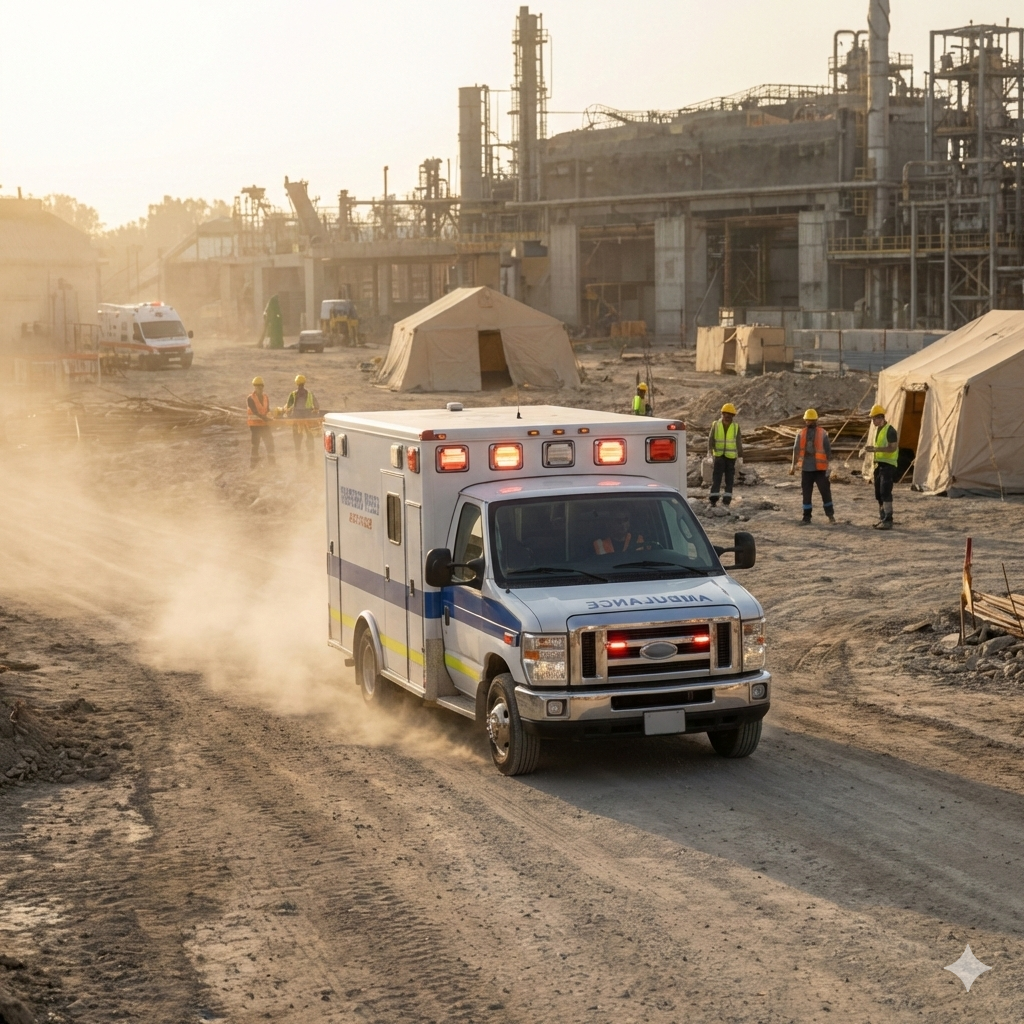
In emergencies, every second matters. When a workplace has stretchers readily available, injured employees can be evacuated quickly from dangerous areas and handed over to medical professionals without delay.
This is especially critical in cases involving:
- Heavy bleeding
- Unconsciousness
- Crush injuries
- Cardiac or breathing issues
Quick and organized transport directly improves survival outcomes.
4. Better Management of Serious Trauma
Workplace accidents can involve falls from height, equipment malfunctions, or chemical exposure. These situations often result in multiple injuries that require careful handling.
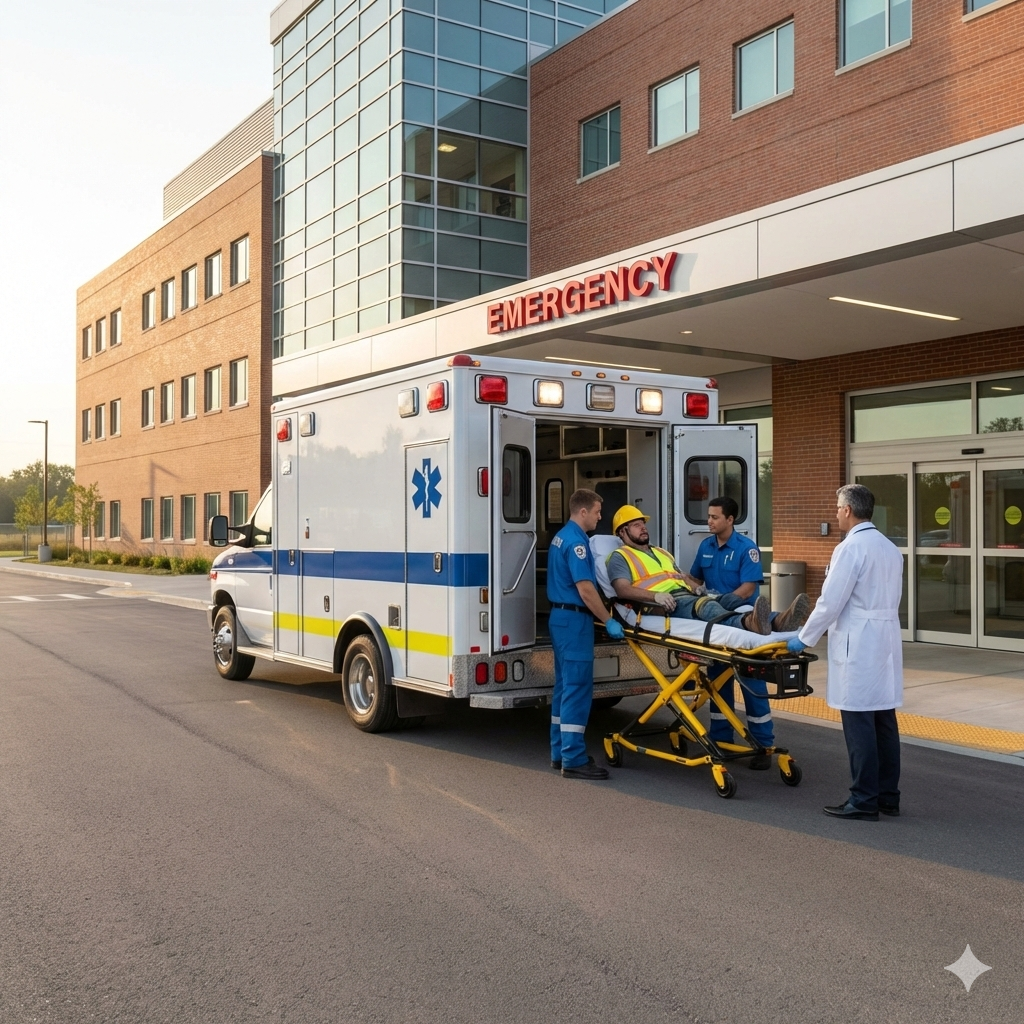
Stretchers such as foldable stretchers, spine boards, or wheeled stretchers are designed to handle severe trauma while keeping the patient stable. This stability helps maintain vital functions until advanced medical treatment is available.
5. Reducing Shock and Supporting First Aid
Shock is a major cause of death after serious accidents. Stretchers help first responders and trained staff provide effective first aid by allowing:
- Proper body positioning
- Limb elevation when needed
- Continuous monitoring of the injured person
Keeping the injured worker calm and stable on a stretcher helps maintain blood circulation and oxygen flow, improving survival chances.
Conclusion
Stretchers may seem like simple equipment, but their impact during workplace accidents is powerful. By enabling safe movement, preventing secondary injuries, speeding up medical response, and supporting first aid, stretchers significantly improve survival rates.
Every workplace whether industrial, commercial, or office-based—should have appropriate stretchers available and ensure employees are trained in their use. When accidents happen, the right response can mean the difference between recovery and tragedy.